ICC CEO Sanjog Gupta calls for end to randomly scheduled bilateral series
Gupta says bilateral cricket must carry context, culture, competition and competitiveness to remain sustainable, with the next FTP cycle due in 2027.
2 Min Read
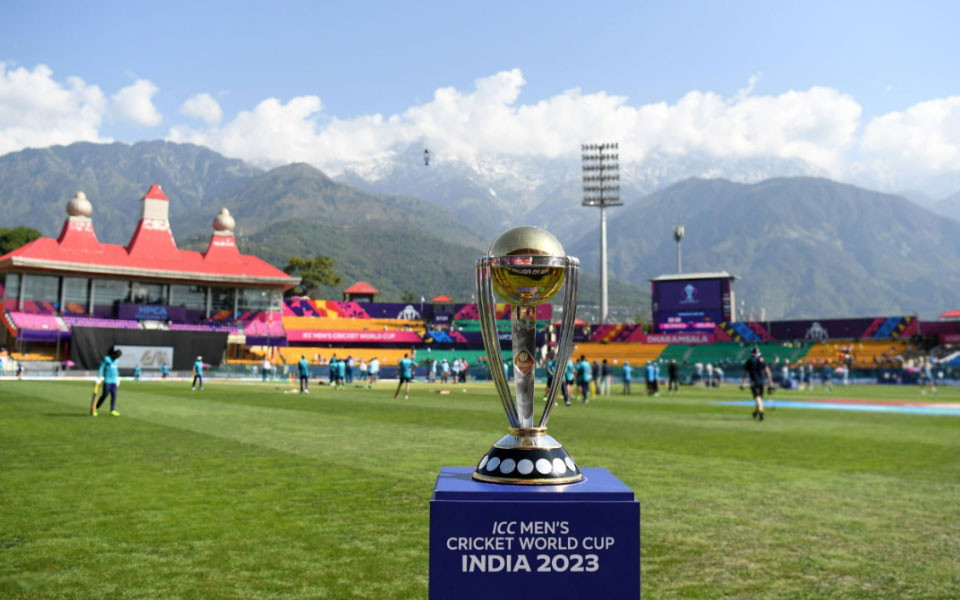

ICC CEO Sanjog Gupta has said the era of randomly scheduled bilateral series must come to an end, arguing that cricket-playing nations cannot sustain the game without the four pillars of context, culture, competition and competitiveness.
Gupta made his position clear in remarks that arrive as the ICC prepares to finalise the next Future Tours Programme (FTP) cycle, covering 2027-2031, at meetings in Hong Kong later this year. The current men's FTP runs until April 2027. Gupta was assumed office as ICC CEO on July 7, 2025, becoming the seventh person to hold the role.
"The era of randomly scheduled bilateral series has to come to an end, because countries will not be able to sustain cricket without context, culture, competition and competitiveness, which require significant investment of resources, both financial and non-financial," said Gupta as quoted by Cricinfo.
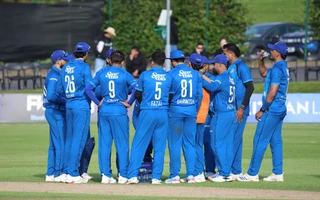
AFG qualify for 2027 WC after thrilling win over IRE
What is Gupta's vision for the ODI format?
Gupta's remarks also addressed the future of ODI cricket directly. The format has faced growing scrutiny in recent years, with the rise of T20 franchise leagues and the World Test Championship, which was introduced in 2019 and crowns a Test champion at the end of each two-year cycle, providing fresh context to the longer format.
A recent milestone underlined ODI cricket's reach, Scotland and Canada played the 5000th ODI in Dundee in early August 2026. The next ODI World Cup is scheduled for October-November 2027 in South Africa, Zimbabwe and Namibia, and Gupta believes that event is central to the format's future.
"It's important to stay focused on the four levers which drive attention and affiliation - context, culture, competition and competitiveness - and ODIs can continue not just to survive, but thrive," said Gupta.
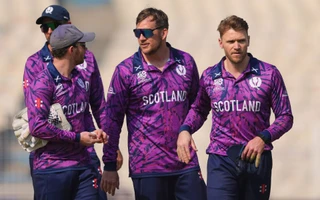
Scotland, Netherlands slam ICC World Cup format change
How have others responded to concerns about bilateral ODI cricket?
Gupta's comments come against a backdrop of wider debate about the value of bilateral ODI series. The ICC recently revamped the structure of the 14-team 2027 World Cup following its annual conference in Edinburgh, introducing a Super Series round before the group stages and a new Super 7 stage before the semi-finals. Under the Super Series format, the 12th, 13th and 14th qualifying teams contest a tri-series from which only one advances to the main tournament round. Cricket Scotland and KNCB, the Netherlands Cricket Board, publicly criticised this new structure earlier in August 2026.
The 2027 World Cup will be the first ICC event of the next FTP (2027-2031) cycle, which governs bilateral international series between member boards and which is set to be finalised at the ICC meetings. The current men's FTP runs until April 2027 and the next phase will also bring with it a new cycle of media rights. Former South Africa captain Graeme Smith had also expressed concerns around bilateral cricket last year.
Get every cricket updates! Follow Us:


Download Our App