If IPL had salary caps like other sports leagues: What would be the max salary per player?
From the very beginning, the Indian Premier League (IPL) has followed a player auction system, where franchises bid for players and assemble their squads.
2 Min Read
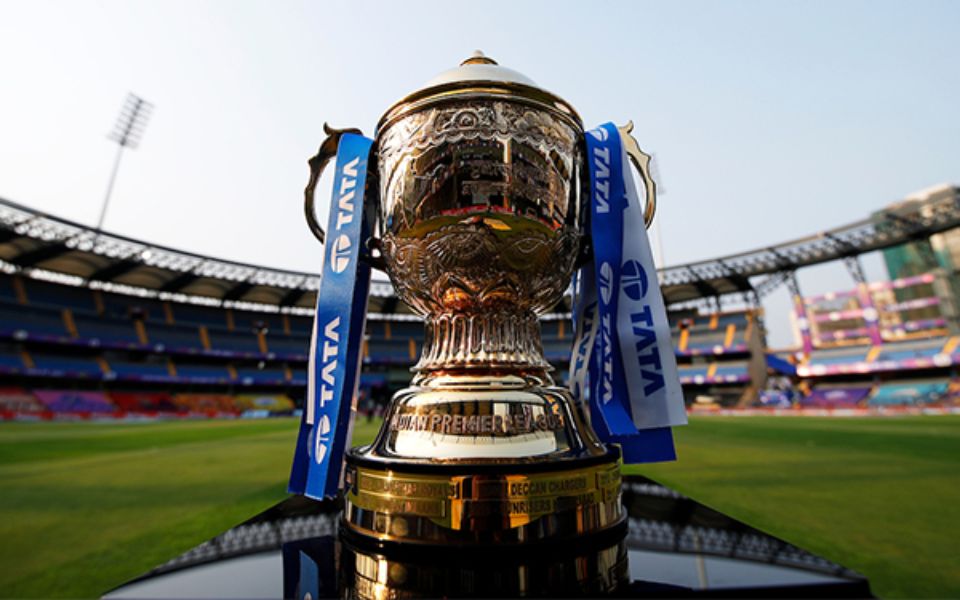

The Indian Premier League (IPL) is not only the richest cricket league in the world but also one of the most trending sporting events globally. Since its inception in 2008, the IPL has transformed the entire cricket ecosystem, impacting grounds, staff, players, and audience expectations, with its fast-paced, high-intensity format.
From the very beginning, the IPL has followed a player auction system, where franchises bid for players and assemble their squads. For instance, in IPL 2025, Rishabh Pant was bought by Lucknow Super Giants (LSG) for a whopping INR 27 crore, making headlines across the cricketing world.
What if IPL had salary caps like other sports leagues?
Player prices in IPL auctions can vary drastically, creating wide differences between star players and others. If a salary cap system, similar to football or other sports leagues, were applied, it could level the playing field, ensuring fairer competition among franchises and more strategic squad building.
The IPL already has a concept similar to a salary cap known as the team purse, which sets a maximum limit that each franchise can spend in an auction. Adopting a stricter salary cap system could take this further by not only setting a maximum team budget but also capping individual player salaries. This would prevent a single star player from consuming a large portion of the budget, allowing teams to build well-balanced squads.
Under a hypothetical salary cap, each IPL team should form a maximum squad of 25 players, including eight overseas players and 17 Indian players. Top-tier stars such as Virat Kohli, Rohit Sharma, MS Dhoni, Rishabh Pant, and Shubman Gill would naturally command the highest salaries, while the next level of players would receive proportionally lower amounts. This structure would enable franchises to distribute funds strategically across departments, ensuring strong depth in batting, bowling, and all-rounders.
What would be the maximum limit per player?
Assuming a team purse of INR 130 crore, the top 10 star players, such as Virat Kohli, Rohit Sharma, MS Dhoni, Hardik Pandya, Jasprit Bumrah, Shubman Gill, Rishabh Pant, Suryakumar Yadav, Shreyas Iyer, and KL Rahul, could be allocated a maximum salary of INR 25 crore each. The next tier of players, including Jos Buttler, Pat Cummins, Rashid Khan, Ravindra Jadeja, Kagiso Rabada, Sunil Narine, Sanju Samson, Travis Head, Kuldeep Yadav, and Mitchell Starc, could be capped at INR 15 crore.
Below these tiers, the remaining players would be assigned salaries according to their performance and role in the squad. This system would create a more balanced, competitive, and profitable venture for franchises while ensuring strategic team building and exciting cricket on the field.
Get every cricket updates! Follow Us:


Download Our App